
Across the world, millions of people are forced to leave their homes due to conflict, persecution, violence, climate impacts, and deep-rooted inequality. Refugees, stateless persons, and migrants often arrive in new countries seeking safety and opportunity, yet they face significant legal, social, and economic barriers that make rebuilding their lives extremely challenging.
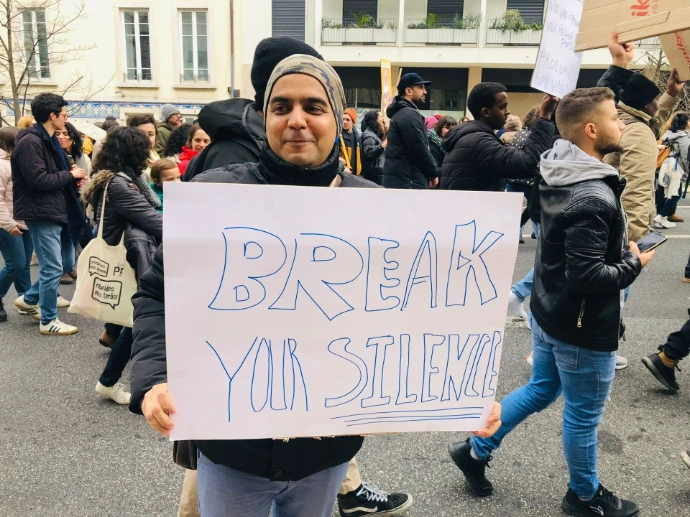
Who Are Refugees?
Refugees are individuals who have been forced to flee their country because of a well-founded fear of persecution, war, or violence. International law recognises their right to protection and safety. However, in reality, many refugees experience long asylum procedures, legal uncertainty, and limited access to basic services during the process.
Stateless Persons: Living Without Nationality
Stateless persons are among the most marginalised and invisible populations worldwide. They are not recognised as nationals by any country, often due to gaps or discrimination in nationality laws. Without nationality, stateless people may be denied access to education, healthcare, lawful employment, housing, and civil registration, trapping them in cycles of exclusion and insecurity.
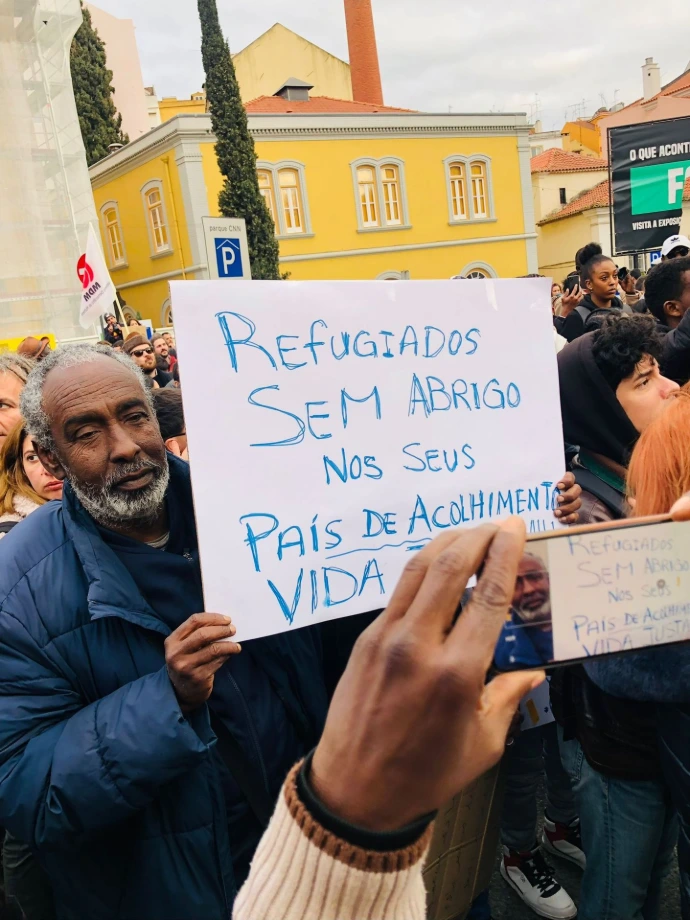
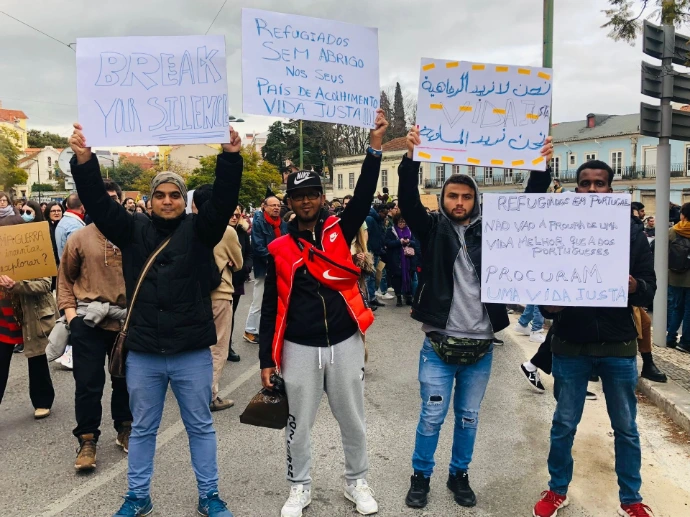
Migrants and the Search for Opportunity
Migrants move across borders for many reasons, including work, education, family reunification, or survival. Migration has always been part of human history, yet migrants often face discrimination, misinformation, and restrictive policies that limit their ability to participate fully in society.
Why Legal Status and Documentation Matter
Legal identity and documentation are essential for protection and inclusion. Without recognised status or valid documents, refugees, stateless persons, and migrants may struggle to access housing, healthcare, education, or employment. Legal assistance is therefore a crucial foundation for ensuring rights and long-term stability.
Housing: The Foundation of Stability
Access to safe and stable housing is one of the most urgent challenges faced by displaced populations. Housing insecurity increases the risk of homelessness, exploitation, and social isolation, making integration far more difficult. Secure housing provides safety, dignity, and a foundation for rebuilding life.
Education as a Pathway to the Future
Education restores stability, opportunity, and hope. For children, school offers protection and normalcy; for adults, education and vocational training open doors to employment and independence. Stateless children, in particular, often face administrative barriers to school enrolment that require advocacy and targeted support.
Employment and Economic Inclusion
Meaningful employment allows refugees and migrants to rebuild their lives with dignity and autonomy. However, language barriers, legal restrictions, and non-recognition of qualifications often prevent access to fair work. Supporting employment pathways benefits both individuals and host communities.
Community, Belonging, and Social Inclusion
Beyond material needs, belonging matters. Intercultural dialogue and community engagement help bridge cultural gaps, reduce prejudice, and foster mutual understanding between newcomers and host communities. Inclusion strengthens social cohesion and shared resilience.
Mental Health and Well-Being
Displacement, trauma, and prolonged uncertainty can take a heavy toll on mental health. Access to culturally sensitive health and psychosocial support is essential for healing, recovery, and long-term integration, particularly for those who have experienced violence or prolonged exclusion.
Shared Responsibility and Human Rights
Protecting the rights of refugees, stateless persons, and migrants is not only a humanitarian obligation but a matter of justice. Inclusive policies and community-based support systems create stronger, more resilient societies for everyone.
At União de Refugiados Em Portugal (UREP), we work to ensure that refugees, stateless persons, and migrants are seen, supported, and empowered. Through legal assistance, housing support, education, employment pathways, and community engagement, we advocate for a Portugal where everyone can live with dignity, safety, and belonging.